
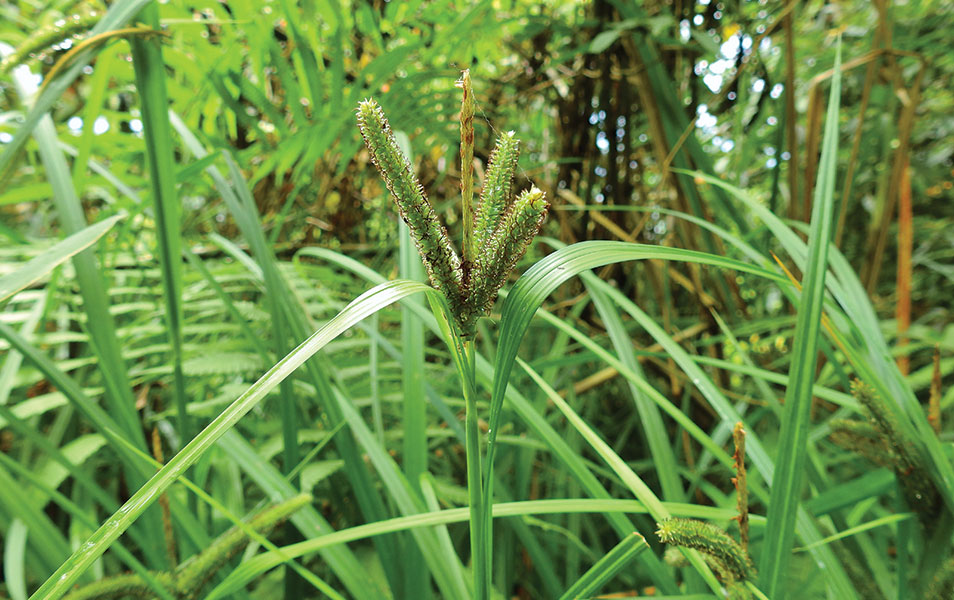
Floating Treatment Wetlands are underpinned by the right combination of technology and nature. Interlocking floating modules, engineered planting baskets and modular frameworks are the backbone of these systems – but the nature-based engine behind them is driven by plant selection and growth.
Selecting the right plant species is one of the most important decisions in any FTW project. Plant selection integrates treatment performance criteria, ecological suitability, community aesthetics, site-specific conditions and maintenance requirements.
The right plant species can be mixed to achieve a wide range of stakeholder objectives – cleaning water more effectively, attracting more wildlife, increasing available habitat, and creating environments that the community engages and connects with.
One of the underrated advantages of FTW plant selection is that it creates genuine opportunities for community participation. Local residents, school groups, indigenous land managers, landscape architects, and ecological consultants can all have a voice in plant selection.
Selecting Wetlands Plants for Water Quality Objectives
FTWs combine the physical, chemical, and biological processes of constructed wetlands with the enhanced performance and reduced land requirements of Floating Island ecosystems.
The submerged root system is the functional core of an FTW’s treatment capability. Plants are therefore assessed first and foremost on the characteristics that determine root zone performance:
Root density and Treatment Capability — Species producing dense, fibrous root networks provide greater surface area for biofilm colonization, which enhances pollution removal pathways.
Growth rate and establishment speed — Faster-establishing species reach full treatment performance more rapidly following installation. This is particularly relevant in systems deployed in projects with immediate treatment requirements, or requiring systems to establish rapidly to meet project timelines or local weather conditions.
Resilience to environmental conditions — FTW plants must tolerate elevated nutrient levels, and pollutant loads that are characteristic of stormwater inflow. They must also meet site specifics such as fluctuating water levels, temperature variations, catchment hydrology and weather cycles.
Resistance to browsing and physical disturbance — In installations where wildlife interactions are expected, species tolerance of root disturbance, grazing pressure, and nesting activity is a relevant selection factor.
Native Plants Supporting Local Biodiversity & Wetland Performance
For most FTW installations, native wetland plants offer optimal performance characteristics. Native species are already adapted to local rainfall patterns, temperature swings, soil chemistry, and seasonal cycles. They are adapted to local environments and can establish faster, recover from local weather cycles, and require less intervention.
From a water quality perspective, native plant species often have analogues that produce the dense, fibrous root systems that FTWs depend on.
From an ecological perspective, native wetland plants provide food and shelter for a web of local wildlife: birds, bees, butterflies, dragonflies, frogs, freshwater shrimp, turtles, and fish all benefit from the habitat created both above and below the waterline.
Beneath the platform, invertebrate larvae colonize the root structure — and those invertebrates attract larger predators, ensuring biodiversity and establishing FTWs as meaningful habitat for local flora and fauna.
FAQ
What makes plant selection so important in a Floating Treatment Wetland?
The right mix of species determines how well the wetland cleans water, supports wildlife, and provides aesthetic benefits — making plant selection a decision that touches on treatment performance, ecological goals, site conditions, and community values.
How are plants evaluated for water treatment performance in an FTW?
Treatment performance comes down to plant growth characteristics and their root networks, since these submerged network of roots and biofilm are the functional core of an FTW’s treatment capability. Species are assessed on root density, filtration capabilities, establishment speed, resilience to nutrient loads and fluctuating water levels, and tolerance to local wildlife.
Why are native wetland plants typically the best choice for FTW installations?
Native species have evolved alongside local rainfall patterns, temperature swings, and seasonal cycles, meaning they establish faster, recover more readily from weather events, and need less ongoing maintenance. Ecologically, they support local biodiversity and the establishment of habitat for local flora and fauna – from birds and butterflies to invertebrate larvae, frogs, and fish.